
Kids Paddle Boards: Safety Tips and Top Picks for Young Paddlers
Paddleboarding can be a wonderful water sport for kids and young adults alike. The outdoor activity for children helps them learn to have balance, self-confidence, and water awareness at an early age.
Young paddlers can explore lakes, calm rivers, or bays with the right gear and guidance. The first step is to choose the right equipment and teach safety lessons from day one.
This guide is going to help parents and guardians understand how to keep children safe while selecting the ideal paddleboard.
Why Paddleboarding Is Ideal for Children
Children love paddleboarding because it feels like fun water play time. They get fresh air, exercise, sunshine, and new skills in a single activity.
It’s more than a sport because it builds awareness of nature. Kids feel a sense of accomplishment when they stand on the board for the first time. These early wins stay with them as they grow older and gain more experience.
Essential Safety Rules All Young Paddlers Should Follow
Mandatory Personal Flotation Devices (PFDs)

To keep your kid safe, you need to have a properly fitted life jacket. Even confident swimmers benefit from buoyancy assistance, especially in unpredictable waters. Mustang Inflatable PFDs for kids offer optimal comfort and safety. These are approved by the: Harmonized Level 70 - USA and Canada (Meets minimum life vest buoyancy of 15.7 lbs)
Supervision and Paddling Boundaries
Kids should always paddle within arm’s reach or eyesight of a responsible adult. Setting clear distance rules ensures they remain safe while gaining independence and skill.
Weather and Water Awareness
Parents should evaluate the current water conditions before entering. the water. Wind, tides, and temperature changes affect paddling difficulty. Calm mornings on lakes or protected shoreline areas provide ideal conditions for younger learners.
Two Lines and Quick-Release Leashes
A quick-release leash is an excellent safety tool, especially in rivers or areas with current. Many parents also keep a light towline on hand to assist tired paddlers on the way back to shore.
Choosing the Right Board Size and Shape
Lengths and widths matter.
Young children benefit from boards between 7 and 10 feet long, providing an excellent balance between manoeuvrability and stability. Wider boards increase lateral balance, giving riders a solid platform to stand, kneel, and shift their weight.
Soft Deck for Comfort
A comfortable EVA deck pad provides cushioning for knees and gives increased traction, making the learning process more enjoyable and secure.
Weight and Carrying Ease
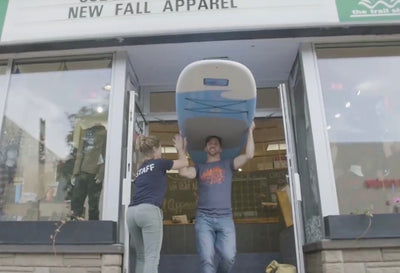
A kids paddleboard should be lightweight enough for children to help carry, creating a sense of involvement. Boards between 15 and 20 lbs are ideal for most young riders.
Inflatable vs. Hard Paddle Boards for Kids
Inflatable Boards

Inflatable SUP boards are popular for family travel, easy home storage, and durability. They resist dings and dents and often include soft edges that are gentle for beginners. When inflated to 12–15 PSI, they provide excellent rigidity and stability.
Hard Boards
Hard boards deliver greater glide and performance on open water. They are ideal for families with access to garage or shed storage. While more responsive, they require careful handling to avoid scratches and impact damage.
Regardless of the choice, selecting a well-built kids paddleboard ensures young riders enjoy better control and comfort on the water.
Top Board Features to Look For
Stable Volume and Weight Capacity
Choose a board that supports the rider’s weight plus room for growth. Boards that are too large can feel unresponsive, while those too small limit balance and performance.
Comfortable Handles
Child-friendly handles placed in the centre or on the sides make it easier for smaller riders to carry and move the board.
Front Bungees for Gear
Small tie-down systems allow kids to secure water bottles, sandals, and lightweight gear.
Durable PVC or Composite Construction
Multiple-layer PVC, reinforced rails, and composite laminates help the board withstand family use without damage.
Important Accessories for Kids’ Safety and Fun

Child-Sized Paddle
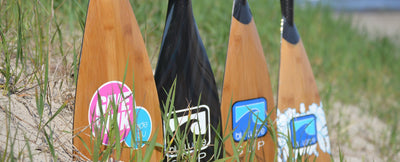
A lightweight paddle designed for children improves form and reduces fatigue. Adjustable paddles allow growth without replacement.
Protective Sun Gear
Long days on the water require:
-
UV-protective rash guards
-
Wide-brim hats
-
Waterproof sunscreen
These protect sensitive skin while ensuring comfort.
Proper Footwear
Water shoes provide traction and protect feet on rocky shorelines.
Dry bags for Essentials

Parents often store snacks, a small first-aid kit, and hydration in a compact dry bag attached to the board.
Training Tips for First-Time Young Paddlers
Start Kneeling
Beginning in a kneeling position builds confidence and balance. Kids learn proper paddle motion without worrying about falling immediately.
Practice Standing in Shallow water.
Shallow, calm areas allow children to experiment confidently. Parents can hold the board steady while their child stands on it for the first time.
Teach Controlled Falling
Falling away from the board helps prevent injury and fear. Kids learn quickly when falls are safe and predictable.
Build Sessions Slowly
Short 20–30 minute sessions keep kids enthusiastic. As comfort grows, paddling duration can increase.
Top Kids' Paddle Board Recommendations
Lightweight All-Around Inflatable Boards
Versatile inflatable SUPs are excellent for most young riders. They store easily in car trunks and can withstand active family use. Many include complete starter packages with pump, paddle, repair kit, and travel bag.
Compact Hard Boards for performance.
Young paddlers progressing in technique benefit from refined hard boards. They are faster, more responsive, and suitable for small surf zones and open-water training.
Soft-Top Boards for Versatility
Soft-top construction enhances safety and comfort. They are ideal for kids transitioning from kneeling to standing and provide ample grip underfoot.
Where Kids Should Learn to Paddle Safely
The best environments for young riders include
-
Calm lakes
-
Protected bays
-
Shallow beaches
-
Slow-moving rivers
Avoid areas with strong tides, sharp shoreline rocks, or fast-moving boat traffic until skills are well developed.
How Parents Can Build Confidence in Young Paddlers
Parents can increase confidence with structured steps:
-
Celebrate small achievements
-
Allow children to choose their board colour or accessory..
-
Encourage taking breaks when tired
-
Avoid pressure to master standing quickly.
Positive reinforcement keeps the experience enjoyable and ensures long-term interest in the sport.
Off-Water Care and Storage
Rinsing and Drying
Boards should be rinsed with fresh water after each outing and dried completely to avoid accumulating salt and sand.
Proper Storage
Inflatables can be rolled and packed away, while rigid boards should rest on padded racks. Avoid storing boards in direct sunlight for extended periods.
Seasonal Maintenance
Inspect fin boxes, deck pads, handles, and inflation valves to ensure everything remains in top working condition.
Conclusion
Paddleboards are a safe and enjoyable way to introduce children to outdoor activities. A game such as this builds balance, teamwork, strength, and confidence in a healthy way.
As long as the right gear is used, patient instruction is given, and calm conditions are created, children will develop skills that will last a lifetime.
Parents play a major role in guiding these early sessions with understanding and support. Every moment on the water is a chance to grow, learn, and build unforgettable memories with family.