
5 Essential Water Sport Equipment Types for Summer Fun
If you are planning to spend time on the water this summer, the right gear will decide whether the day feels smooth or frustrating.
That is the honest answer.
You can have perfect weather and calm water, but if your setup fights you, the fun fades fast. When gear fits well and works quietly, you stop thinking about it. You notice the glide of the board. You feel the rhythm of your strokes. The experience feels natural instead of forced.
If you are considering paddle boarding sessions like the six must-do experiences offered by Blu Wave Board Co, these choices matter even more. Those outings are not rushed laps. They are designed for real time on the water. The equipment you choose shapes how relaxed or tense that time feels.
This guide walks you through five essential equipment types. No hype. No pressure. Just practical thinking that helps you decide with confidence.
Why Your Gear Matters More Than You Think
Before diving into individual items, pause for a moment.
Most people assume balance or fitness causes trouble on the water. In reality, it is usually friction. A board that wobbles. A paddle that feels heavy. A flotation device that rubs or shifts once wet.
Good gear removes friction. It lowers mental effort. You spend less time adjusting and more time enjoying the moment.
Think of it like walking in shoes that actually fit. You do not notice them until you try a bad pair.
That same logic applies here.
1. Stand-Up Paddle Board: The Base of Everything

Your board shapes how the entire session feels. When it feels stable, your body relaxes faster. Balance becomes natural, not forced.
Most summer paddlers do well with all-around boards, especially inflatable SUPs. They offer stability, easy transport, and a smooth ride. This makes them ideal for casual paddles and longer outings, including guided experiences with Blu Wave Board Co where comfort matters more than speed.
Different board styles serve different goals:
-
All-Round Series for versatility and beginners
-
Inflatable Series for travel and easy storage
-
Yoga Series for balance, grip, and slow movement
-
Touring Series for distance and steady glide
As you evaluate boards, focus on feel over features.
Look for:
-
A width that offers instant stability
-
Soft deck padding with reliable grip
-
Enough volume to support your weight comfortably
A forgiving board builds confidence quickly. And confidence changes how you move on the water.
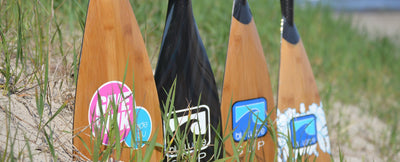
2. Paddle: Small Choice, Big Impact
You will use the paddle more than any other piece of gear.
A paddle that is too heavy drains your energy quietly. You might not notice it right away. After thirty minutes, your shoulders will.
Adjustable paddles work well for most people. They let you fine-tune length for comfort and share gear easily. Lightweight materials reduce fatigue without feeling flimsy.
Here is a simple test.
Hold the paddle and imagine lifting it hundreds of times. If that feels easy, you are heading in the right direction.
3. Personal Flotation Device: Comfort You Will Actually Wear

Safety only works if you keep it on.
For paddle boarding, comfort matters more than bulk. A well-fitted PFD allows free arm movement and stays put when wet. That matters during falls, remounts, and long paddles.
The best ones disappear after a few minutes. You forget they are there. That is exactly what you want.
When checking fit, pay attention to:
- Shoulder clearance
- Snugness without pressure
- No riding up when floating
During longer sessions, including guided paddles and lessons offered through Blu Wave Board Co, this comfort becomes noticeable. You move freely. You stay focused. You paddle longer without thinking about your gear.
4. Leash: The Piece You Notice Only When You Need It
A leash feels optional until it saves your session and maybe your life.
After a fall, wind and current can push the board away faster than expected. Swimming after it burns energy and raises stress. A leash keeps the board within reach.
Most paddle boarders prefer ankle or calf leashes. Calf leashes reduce drag and feel less intrusive during longer paddles.
It is not about restriction. It is about peace of mind.
Once you use one consistently, paddling without it feels strange.
5. Dry Bag: Removing Small Worries

Phones, keys, water, layers.
A dry bag keeps essentials safe and accessible. That small convenience changes how relaxed you feel on the water.
A compact dry bag clipped to deck rigging works best. It stays secure and balanced without shifting your stance.
Most paddlers carry:
- Phone or camera
- Water and light snacks
- Sunscreen or a hat
When you stop worrying about what might get wet, you enjoy the paddle more.
How Everything Works Together on the Water
Here is something instructors notice quickly.
Each piece of gear supports the others. A stable board improves balance. A light paddle saves energy. A comfortable PFD reduces tension. A leash adds confidence. A dry bag removes distraction.
Together, they create flow.
That difference often comes down to equipment. When gear is chosen for comfort, balance, and ease of use, learning feels smoother and paddling feels more natural. This is why setups used in well-designed paddle board experiences, such as those offered by Blu Wave Board Co, tend to feel more supportive rather than distracting.
You are not fighting your setup. You are working with it.
Why Reliable Gear Shapes Better Experiences
There is a reason experienced paddlers upgrade slowly and thoughtfully.
Reliable equipment builds trust. That trust shows up in smoother strokes, better balance, and longer sessions. You trust the gear, so you trust yourself.
That is how casual paddles turn into habits.
Whether you paddle solo or explore guided sessions, choosing the right water sports equipment shapes how your time on the water feels from start to finish. The same applies when you step into more structured experiences, like those offered by Blu Wave Board Co, where equipment quality quietly supports every moment.
Summer water time should feel light and natural.
The real question is not what you need to buy.
It is how you want your paddle to feel once you stop thinking about the gear and start enjoying the water.
Questions You Probably Ask Yourself Before Buying
Will paddle boarding still feel enjoyable after an hour?
Yes, if your gear is comfortable and fits well. Poorly fitting equipment often causes fatigue, not the activity itself.
Am I paying extra just for comfort?
Not really. Comfort helps you paddle longer, move better, and stay relaxed on the water.
Do beginners really need proper paddle boarding gear?
Yes. The right gear makes learning easier and builds confidence from the first session.
Is basic gear enough for occasional paddling?
For one-time or short paddles, basic gear works. For regular outings, comfort becomes more important.
How do you know if paddling gear is worth the money?
Paddling gear is worth the money when it feels natural and comfortable on the water. If it stays secure, causes no discomfort, and you forget you’re wearing it while paddling, it’s doing its job properly.